hologenX
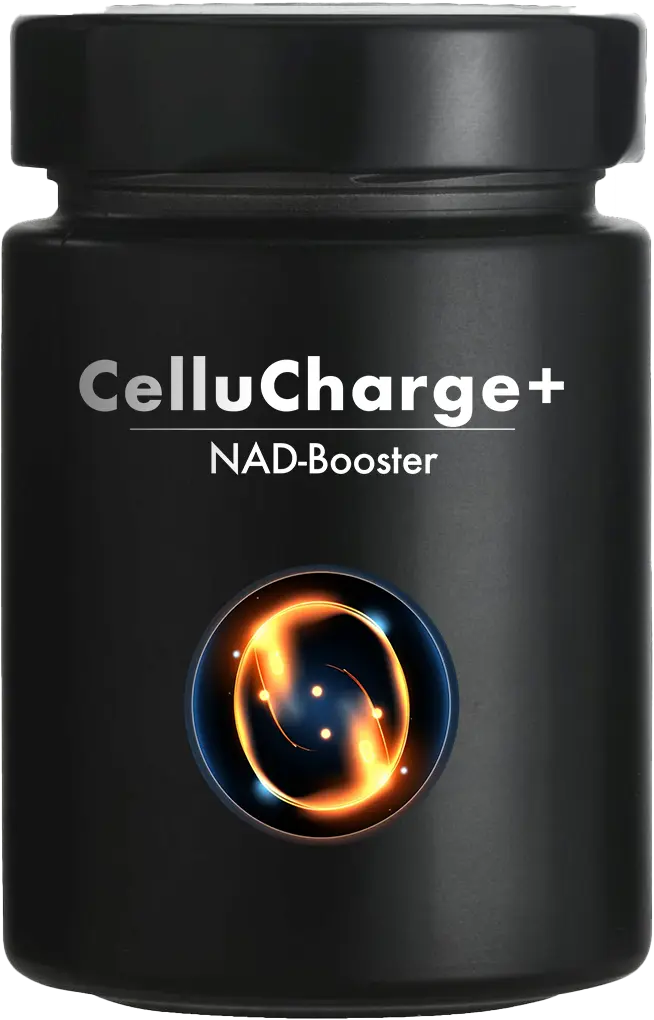
CelluCharge+
In the CelluCharge+ dietary supplement, we combined the power of nicotinamide riboside and bioactive folate.
Each capsule contains the following key ingredients:
- Nicotinamide riboside (NR) (300 mg): a precursor of NAD+. NAD+ is key for cellular energy production, DNA repair, and sirtuin activation.
- Bioactive folate, 5-Methyltetrahydrofolate (5-MTHF) (400 mcg): activated folate that acts as a methyl donor. It plays a fundamental role in energy metabolism, homocysteine metabolism, immune function, blood formation and vascular function, as well as cell division and tissue growth during pregnancy.
Dosage
CelluCharge+ dosing is flexible and can be adjusted to the individual and age, depending on personal health needs. For middle-aged adults, 1 capsule per day is recommended, taken in the morning or at noon with a meal. At older ages, the dosage can be increased to 2 capsules per day to maintain an optimal NAD+ level.
Other notes
We emphasize that the product and the information on our websites are not intended to diagnose, treat, cure, or prevent any disease, and do not replace a varied and balanced diet or a healthy, active lifestyle. When using the product, it is important to note that although research supports the benefits of the formula, results may vary from person to person. Everyone’s body is different, so responses can vary as well. We recommend that you consult your physician or a healthcare professional before using the product, especially if you have existing medical conditions or questions related to medication.
Scientific background
Our company states that our products do not have properties that would guarantee the prevention, treatment, or cure of diseases, and we do not claim this in any way. Nevertheless, in order to comply with our legal obligations, below we would like to provide potential customers with detailed information about the active ingredients used, their possible health benefits, and their scientific background. We aim to inform an interested and open audience about relevant scientific findings and relationships based on the latest, unbiased, and recognized research results.In search of our disappearing energy
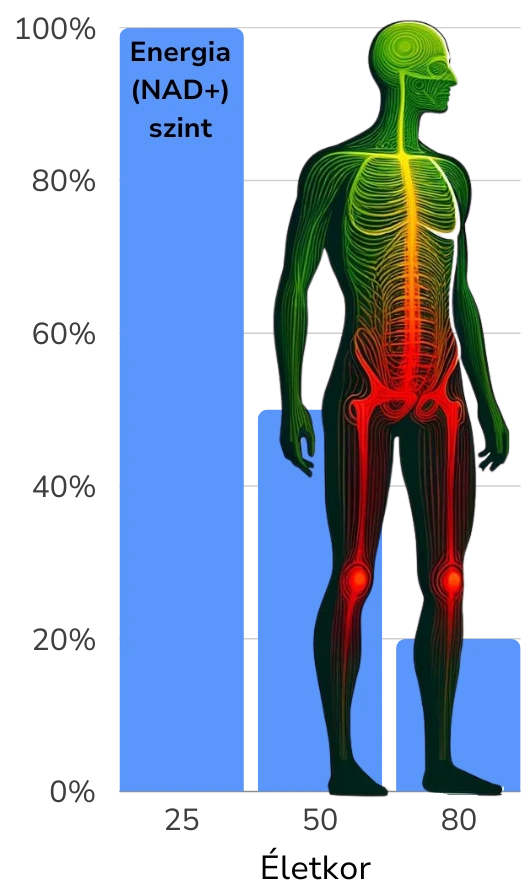
When we’re young, we’re full of energy and vitality, and even the toughest challenges feel easy. As time goes by, this seemingly endless energy fades, and parts of our daily tasks and training routines become harder. Unfortunately, this decline in energy is a natural part of aging and may be closely linked to a drop in NAD level. But what is behind this phenomenon? And, more importantly, is there a way to reverse the process by increasing NAD+ level?
The key to vitality: NAD+
In recent years, researchers have been able to decode the physiological and molecular processes behind declining energy. They found that age-related energy loss happens at the cellular level and is linked to a decrease in the level of an essential molecule: NAD (nicotinamide adenine dinucleotide). Increasing NAD+ levels may potentially reverse this process by improving cellular energy production.
This declining “vitality” not only reduces our overall well-being, but also increases the risk of cellular damage and, through that, may contribute to the development of more serious diseases (such as cancer).
Nicotinamide riboside (NR), a precursor of NAD+
Scientific research plays a key role in understanding the link between aging processes, the decline of cellular NAD levels, and energy. Particular attention has been given to nicotinamide riboside (NR), a precursor of NAD+ (nicotinamide adenine dinucleotide) that the body can convert into NAD.
The role of methylation and methyl donors in aging
Methylation is like an internal maintenance job in your body that helps you stay younger and healthier for longer. Think of it as a protective system that helps protect DNA (our cells’ “operating code”), helping information remain accurate so the body can function properly. This process can also reduce inflammation and help control the levels of a compound associated with aging (homocysteine), supporting long-term health as we age.
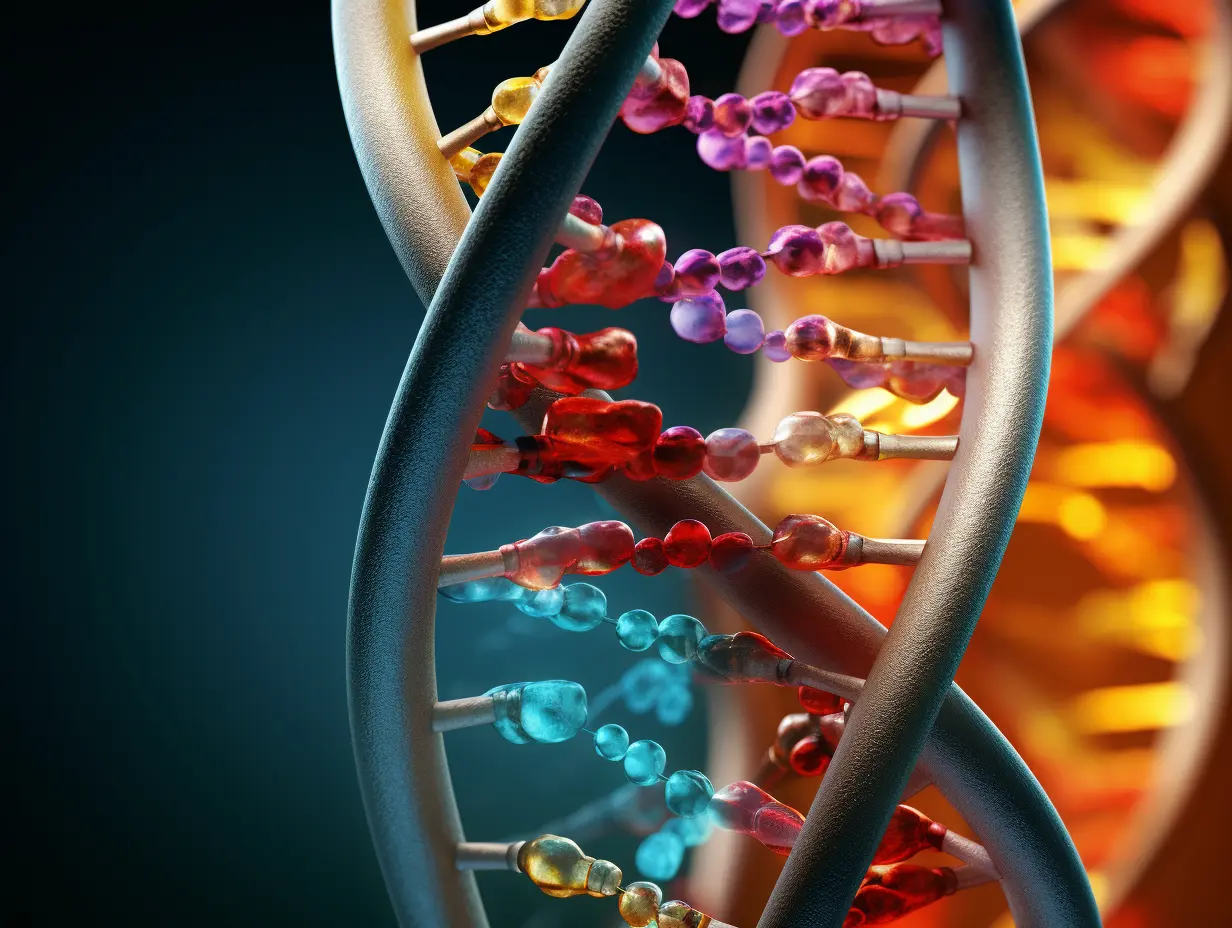
For healthy methylation, methyl donors provide key building blocks that are essential for the methylation process. Folic acid is an excellent methyl donor (Lonn et al., 2006), but for some people it is not metabolized optimally due to genetic factors (Klerk et al., 2002). In these cases, a special form of folate, 5-MTHF (activated folate), can be used by the body.
Using NAD+-boosting supplements may increase the demand for methyl groups, so it can be beneficial to ensure adequate methyl donor intake.
The role of mitochondria in cellular energy production
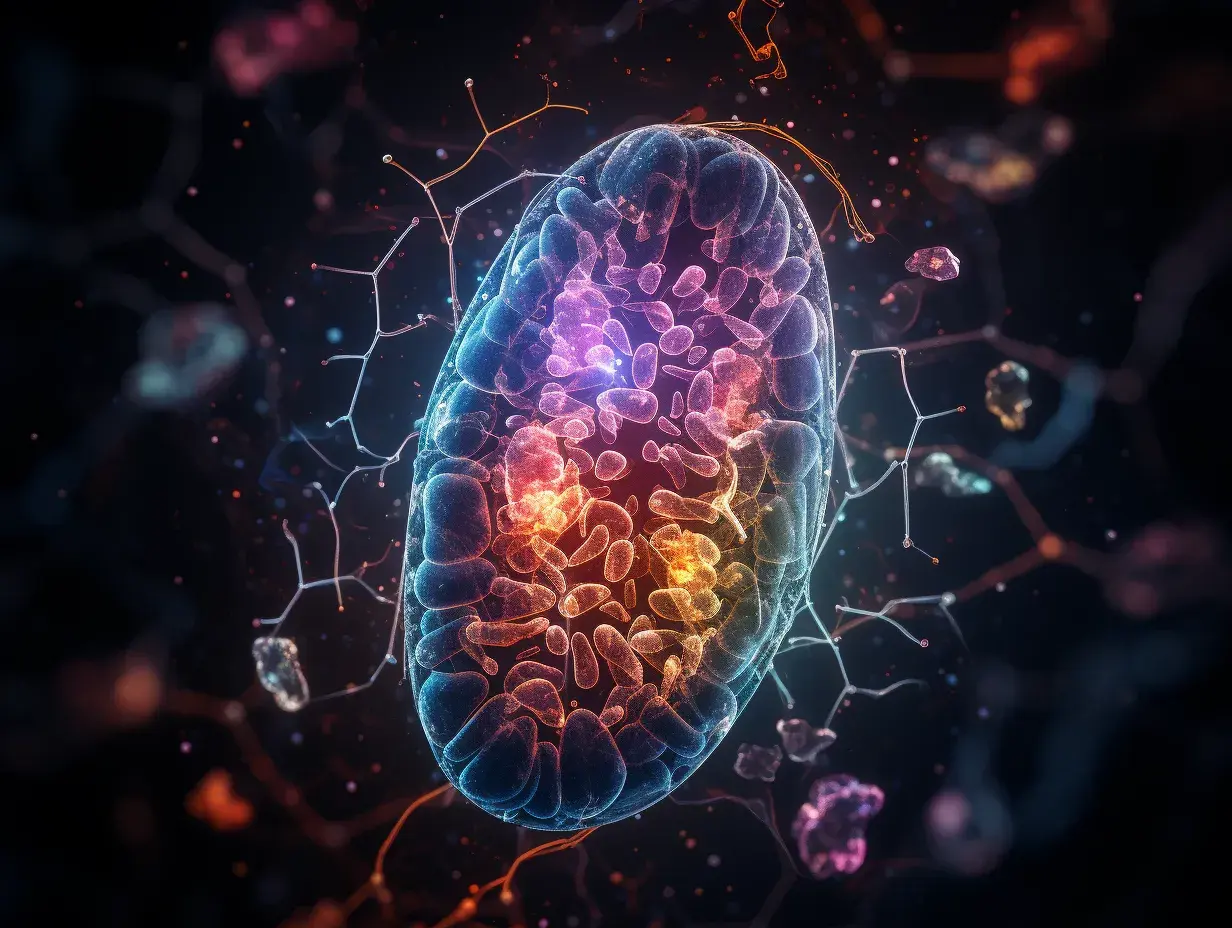
Mitochondria, the power centers of our cells, are vital for healthy cellular function and for maintaining overall performance. Mitochondrial biogenesis is the process by which new mitochondria are formed in cells, improving the cell’s capacity to produce energy — a process that an optimal NAD+ level may further support.
NAD+ beyond aging
Athletes and active lifestyles
Increasing NAD levels is essential for the efficiency of cellular energy-producing processes. This is especially important for athletes and physically active people, where it may support performance during training and faster muscle recovery. NAD+ also plays a key role in the response to oxidative stress and in reducing inflammatory processes, which may contribute to long-term athletic performance and overall health.
Metabolic health and weight loss
Increasing NAD+ levels supports fatty acid oxidation, which is key for reducing body fat and improving the efficiency of energy metabolism. Healthy methylation is also important for cellular metabolism, which may contribute to better overall health and effective weight loss. Maintaining an optimal NAD level may also help support a healthy body weight in the long term.
Scientific background (more detail)
NAD booster: NR’s effect on cells
Nicotinamide riboside (NR) is an NAD+ precursor that can significantly increase cellular NAD levels. Consuming NR may support
higher cellular energy production and help reduce cellular damage. Scientific research suggests that NR can have a positive effect on cellular
function and may slow aspects of the aging process. NR supplementation may support better cellular energy availability, which is important for
healthy cell function and longevity.
Mitochondria are the cell’s “power plants,” producing ATP (adenosine triphosphate), the cell’s energy currency. Several studies
have examined NR’s effect on mitochondrial biogenesis — increasing the number and function of mitochondria. Overall, NR appears able to enhance
mitochondrial biogenesis, thereby improving the cell’s energy-producing capacity, which may be particularly relevant in aging and in certain disease
contexts.
Sirtuins and their role in aging
Sirtuins are proteins that play key roles in genetic regulation and DNA repair and can help suppress inflammatory processes in cells. Sirtuins such as SIRT1, SIRT3, and others function effectively when sufficient NAD+ is available, and their activity decreases as NAD levels decline, which may contribute to aging processes, cellular damage, and the development of degenerative diseases.
The role of methylation in aging
DNA methylation, a key regulator of gene activity, plays an important role in normal cellular function. This process is
essential for the stability of genetic material and proper cell differentiation. Methylation may be closely linked to cellular NAD metabolism, which influences energy supply and aging processes.
During aging, methylation patterns change, which can affect gene expression and contribute to aging processes. These changes have been associated
with many age-related diseases, including neurodegenerative disorders and cancer.
Lifestyle factors such as nutrition and physical activity can influence methylation processes. Certain nutrients — such as folate and vitamin
B12 — are essential for proper methylation, so diet can have a significant impact on aging-related processes.
Methyl donors and their key role when boosting NAD
Methyl donors play a central role in methylation. These compounds transport methyl groups, enabling the methylation of DNA, proteins, and
other molecules.
Paradoxically, increasing NAD levels may reduce the availability of methyl groups in the body. Therefore, when boosting NAD+, adequate methyl donor intake can be especially important.
Folic acid (vitamin B9) is a natural methyl donor required for the methylation of DNA, RNA, and other molecules. A deficiency in folate can affect
methylation processes that are vital for cellular function and aging-related processes.
Some people have MTHFR gene variants that can affect folic acid metabolism. In these cases, 5-MTHF can be a better option because it is used more
directly, bypassing metabolic bottlenecks caused by genetic variation.
References
- Clement J, Wong M, Poljak A, Sachdev P, Braidy N. The Plasma NAD+ Metabolome Is Dysregulated in "Normal" Aging. Rejuvenation Res. 2019 Apr;22(2):121-130. doi: 10.1089/rej.2018.2077. Epub 2018 Oct 23. PMID: 30124109; PMCID: PMC6482912.
- Trammell SA, Schmidt MS, Weidemann BJ, Redpath P, Jaksch F, Dellinger RW, Li Z, Abel ED, Migaud ME, Brenner C. Nicotinamide riboside is uniquely and orally bioavailable in mice and humans. Nat Commun. 2016 Oct 10;7:12948. doi: 10.1038/ncomms12948. PMID: 27721479; PMCID: PMC5062546.
- Lonn E, Yusuf S, Arnold MJ, Sheridan P, Pogue J, Micks M, McQueen MJ, Probstfield J, Fodor G, Held C, Genest J Jr; Heart Outcomes Prevention Evaluation (HOPE) 2 Investigators. Homocysteine lowering with folic acid and B vitamins in vascular disease. N Engl J Med. 2006 Apr 13;354(15):1567-77. doi: 10.1056/NEJMoa060900. Epub 2006 Mar 12. Erratum in: N Engl J Med. 2006 Aug 17;355(7):746. PMID: 16531613.
- Klerk M, Verhoef P, Clarke R, Blom HJ, Kok FJ, Schouten EG; MTHFR Studies Collaboration Group. MTHFR 677C-->T polymorphism and risk of coronary heart disease: a meta-analysis. JAMA. 2002 Oct 23-30;288(16):2023-31. doi: 10.1001/jama.288.16.2023. PMID: 12387655.
- Rajman L, Chwalek K, Sinclair DA. Therapeutic Potential of NAD-Boosting Molecules: The In Vivo Evidence. Cell Metab. 2018 Mar 6;27(3):529-547. doi: 10.1016/j.cmet.2018.02.011. PMID: 29514064; PMCID: PMC6342515.
- Anderson OS, Sant KE, Dolinoy DC. Nutrition and epigenetics: an interplay of dietary methyl donors, one-carbon metabolism and DNA methylation. J Nutr Biochem. 2012 Aug;23(8):853-9. doi: 10.1016/j.jnutbio.2012.03.003. Epub 2012 Jun 27. PMID: 22749138; PMCID: PMC3405985.
- Conze D, Brenner C, Kruger CL. Safety and Metabolism of Long-term Administration of NIAGEN (Nicotinamide Riboside Chloride) in a Randomized, Double-Blind, Placebo-controlled Clinical Trial of Healthy Overweight Adults. Sci Rep. 2019 Jul 5;9(1):9772. doi: 10.1038/s41598-019-46120-z. PMID: 31278280; PMCID: PMC6611812.
- Braidy N, Liu Y. NAD+ therapy in age-related degenerative disorders: A benefit/risk analysis. Exp Gerontol. 2020 Apr;132:110831. doi: 10.1016/j.exger.2020.110831. Epub 2020 Jan 7. PMID: 31917996.
- Reiten OK, Wilvang MA, Mitchell SJ, Hu Z, Fang EF. Preclinical and clinical evidence of NAD+ precursors in health, disease, and ageing. Mech Ageing Dev. 2021 Oct;199:111567. doi: 10.1016/j.mad.2021.111567. Epub 2021 Sep 10. PMID: 34517020.
- Helena A. K. Lapatto et al. ,Nicotinamide riboside improves muscle mitochondrial biogenesis, satellite cell differentiation, and gut microbiota in a twin study.Sci. Adv.9,eadd5163(2023).DOI:10.1126/sciadv.add5163